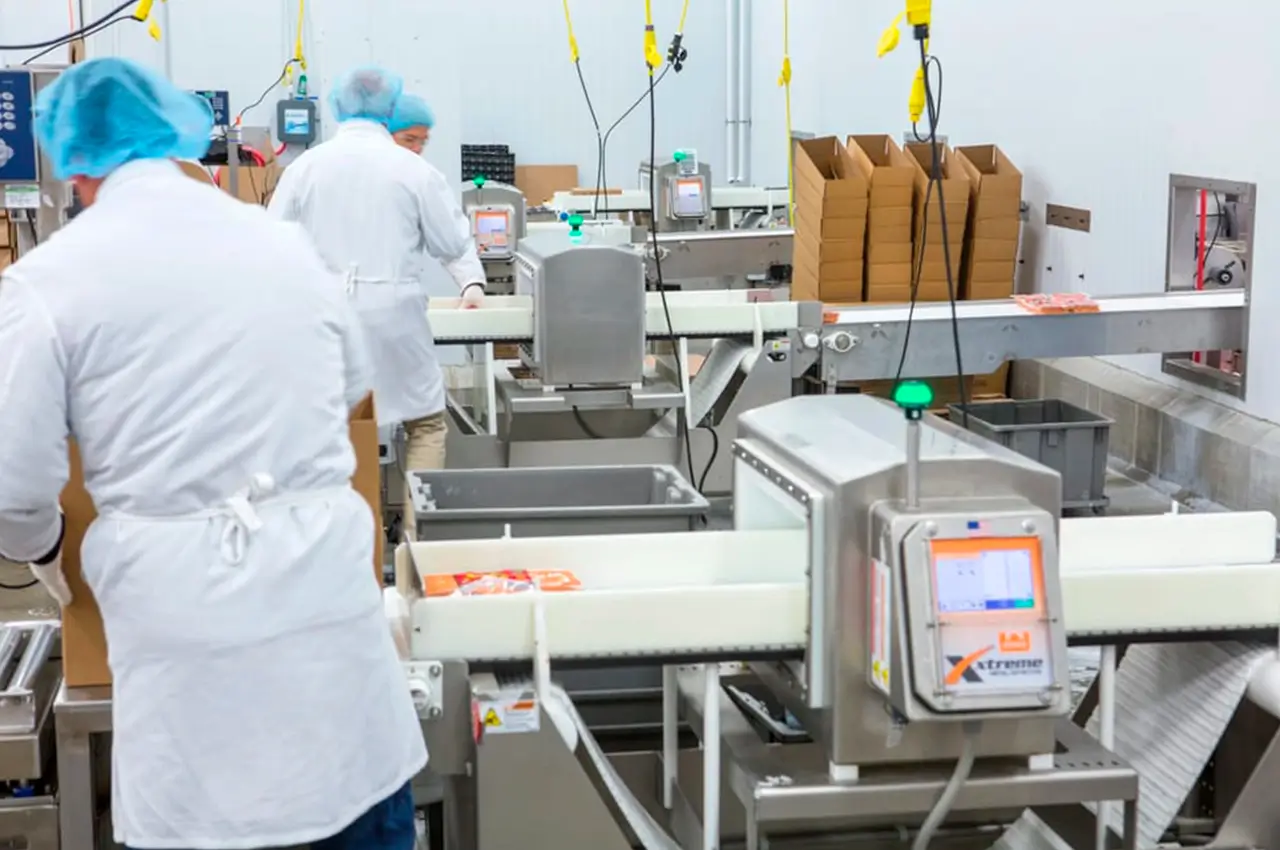

In the food industry, safety cannot depend solely on reviewing the final product. Risks can appear from the receipt of raw materials to processing, packaging, storage, or distribution.
Therefore, understanding what HACCP is becomes fundamental for companies looking to produce safe food, control their processes, and reduce risks before they reach the consumer.
HACCP is one of the most recognized preventive systems for managing food safety. Its approach allows identifying hazards, defining controls, and establishing clear actions to keep the process under control.
What is HACCP?
HACCP stands for Hazard Analysis and Critical Control Points.
In simple terms, HACCP is a system that helps identify, evaluate, and control hazards that can affect food safety. Unlike a control based only on final inspections, HACCP analyzes the entire process and defines preventive measures at stages where risks can be avoided or reduced.
In accordance with the Codex Alimentarius principles on food hygiene, HACCP is part of a structured approach to prevent hazards and strengthen safety throughout the food chain.
What HACCP is used for
HACCP serves to allow companies to anticipate risks within their processes. Instead of waiting to find a problem at the end of the line, the system helps review what can go wrong, where it can occur, and how it must be controlled.
In a food plant, HACCP can help control risks related to raw materials, process temperatures, cross-contamination, the presence of foreign bodies, cleaning and sanitation, storage, packaging, and distribution.
This allows food safety to be managed in a more orderly, measurable, and preventive manner.
What hazards HACCP controls
To better understand what HACCP is, it is important to know the types of hazards that the system seeks to control. The most common hazards are grouped into three categories:
Regarding this last point, magnetic detection and separation equipment, as well as X-ray detection equipment, can play an important role. Caproin provides these types of solutions that help reduce risks associated with ferrous and non-ferrous contamination in industrial processes.
How HACCP works
HACCP works through an organized methodology. First, the company must know its product and its process very well. Then, it must identify possible hazards at each stage and determine which ones require specific controls.
Based on that analysis, the Critical Control Points, also known as CCPs, are defined. These are points along the process where a significant hazard can be prevented, eliminated, or reduced to an acceptable level.
For example, a CCP can be related to a minimum cooking temperature, a pasteurization stage, a metal detection system, or a specific storage condition.
Examples of CCPs
The 7 principles of HACCP
The HACCP system is based on seven principles. These principles allow building a clear and verifiable plan to control food safety hazards.
According to the FDA guidance on HACCP principles and application, these principles help address food safety through the analysis and control of biological, chemical, and physical hazards.
HACCP and prerequisite programs
Before implementing HACCP, a company must have solid prerequisite programs in place. These are the foundation that allows maintaining adequate hygiene, operational, and control conditions within the plant.
Some prerequisite programs are Good Manufacturing Practices, cleaning and sanitation, pest control, preventive maintenance, equipment calibration, supplier control, personnel training, traceability, and allergen management.
Without this foundation, HACCP can become difficult to apply. Therefore, the system must be understood as part of a broader food safety strategy.
HACCP in Colombia
In Colombia, Decree 60 of 2002 promotes the application of the HACCP system as a method for assuring food safety. This regulatory framework recognizes the importance of implementing preventive controls in food factories and establishes the corresponding certification procedure.
For Colombian companies, this reinforces the importance of working with systems that allow demonstrating control, traceability, and commitment to consumer safety. However, the value of HACCP is not limited to local compliance. For companies that export or are part of international supply chains, this system also serves as a base to respond to foreign market requirements.
A relevant example is the United States. There, the Food Safety Modernization Act, FSMA, promoted by the FDA, strengthened the preventive approach in food risk management. In this context appears HARPC, or Hazard Analysis and Risk-Based Preventive Controls, a model that broadens the traditional view of HACCP.
While HACCP focuses on hazard analysis and the identification of Critical Control Points, HARPC incorporates a broader vision of prevention. This approach can include risks such as economically motivated fraud, radiological hazards, and intentional sabotage, in addition to preventive controls related to allergens, sanitation, supply chain, and other aspects of the process.
It also introduces a key requirement: the management of the system must be oversaw by a PCQI, that is, a preventive controls qualified individual. This demonstrates how international markets are moving toward more comprehensive, documented, and risk-based safety systems.
Therefore, for a Colombian company, understanding what HACCP is is not only important for complying with the national framework. It can also be the first step to strengthen preparation against clients, audits, and export requirements, especially when products reach markets with broader demands in food safety.




HACCP and ISO 22000
HACCP is also related to food safety management systems such as ISO 22000. This standard integrates the principles of HACCP within a broader management structure, which includes leadership, planning, communication, performance evaluation, and continuous improvement.
While HACCP focuses on hazard analysis and control, ISO 22000 incorporates it within a complete management system for organizations throughout the food chain.
The role of industrial equipment in HACCP
Although HACCP is a management methodology, its effectiveness depends on what occurs in daily operations. The controls defined in the plan must be executable with reliable equipment, trained personnel, and clear procedures.
In many food processes, industrial equipment can support risk control. For example, magnetic separation systems, metal detection, material handling, power transmission, and specialized maintenance can contribute to more stable, secure, and efficient processes.
Caproin supports the industry with a portfolio of industrial products and engineering services, backed by a team of specialized engineers who advise companies on reviewing their processes, evaluating critical control points, and properly selecting reliable equipment to contribute to compliance with national and international safety standards.
For this purpose, Caproin represents the Eriez Magnetics brand, a world leader in magnetic separation, metal detection, and product inspection solutions. Their equipment helps companies reduce physical contamination risks, protect their production lines, improve finished product safety, and strengthen their quality and food safety programs.
Conclusion: what is HACCP and why the industry should care
Understanding what HACCP is means understanding that food safety is built before the product reaches the consumer. This system allows identifying hazards, defining controls, monitoring critical points, and acting preventively in the face of deviations.
For the food industry, HACCP is a key tool for reducing risks, strengthening traceability, responding to regulatory demands, and improving trust in processes.
Caproin supports companies with industrial solutions and technical support to strengthen safer, more efficient, and more reliable processes.
Learn more about the available products and services, or contact the team through the contact page.
Need expert support in food safety?
We help find solutions to protect your processes, your equipment, and product quality. Contact us