
In the food industry, food safety is not an option: it is a technical, regulatory, and reputational requirement. A small oversight can have monumental consequences. A failure in safety is not just an operational error; it is a direct threat to the business’s viability.
Companies that underestimate physical hazards today face an unforgiving landscape: impacts on consumer health, astronomical regulatory fines, the logistical cost of product recalls, and, most devastatingly, irreversible damage to brand reputation before a hyper-connected consumer.
When we talk about food safety, it is not solely about avoiding a “bolt in the package.” The true technical challenge lies in nearly invisible contaminants: metal fines, stainless steel scales detached by friction, and paramagnetic particles capable of compromising entire batches.
HACCP and Food Safety: The Scientific Rigor Behind Metal Control
The HACCP (Hazard Analysis and Critical Control Points) system establishes the technical framework to guarantee food safety at every stage of the process.
For metal detection and separation to be considered an effective Critical Control Point (CCP), it must meet three fundamental conditions:
A robust food safety strategy requires deploying this technical shielding throughout the entire plant.
Food Safety in Raw Material Reception: External Risk Control
In the bulk raw material reception stage (grains, flours, sugars), the risk usually comes from the external environment and is associated with larger contaminants.
To protect food safety from the beginning of the process, the following are used:
1. Plate Magnets and Magnetic Drums
These systems capture contaminants before they enter critical equipment such as mills or mixers.
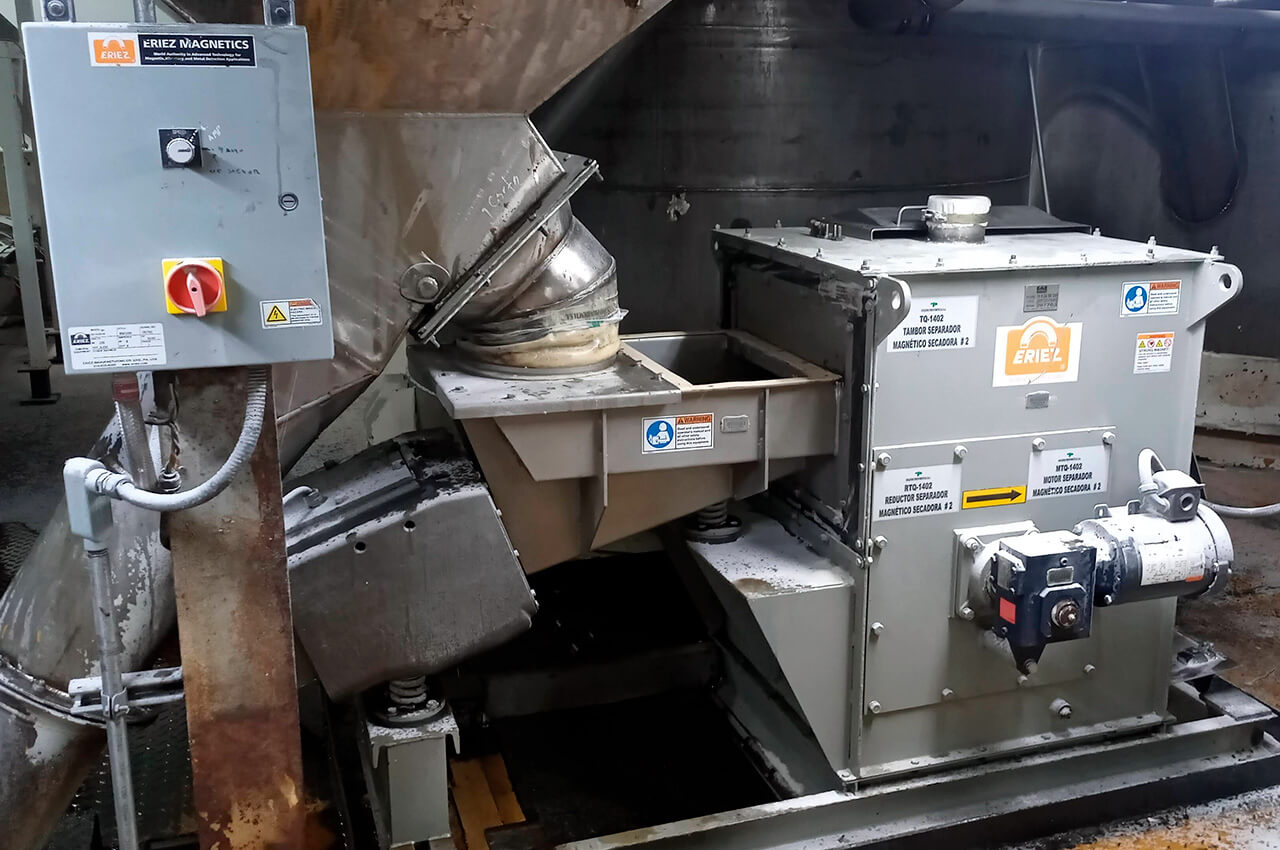
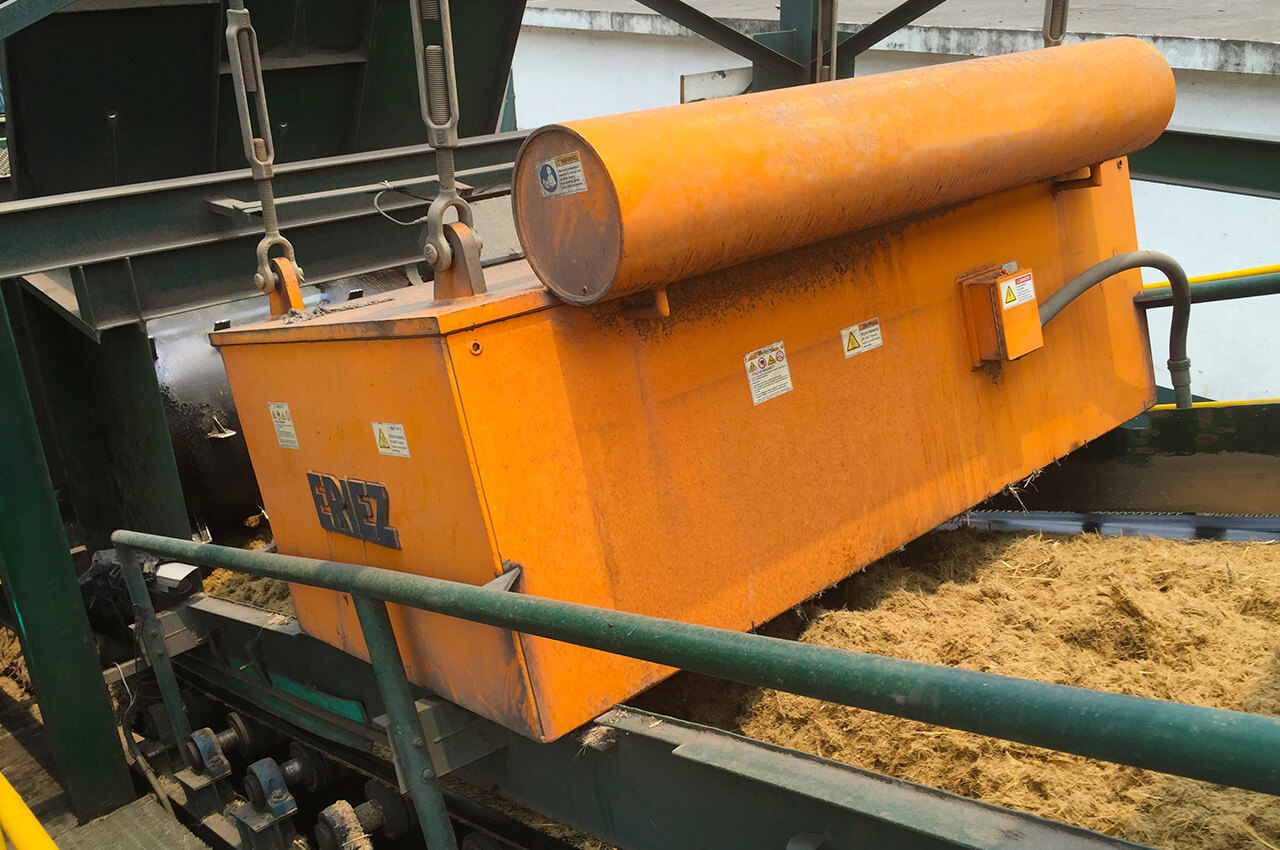
Eriez magnetic drums allow for automatic and continuous cleaning, removing large volumes of metal before machinery fragments them into microscopic particles that are much harder to capture, thereby strengthening the global safety system.
2. Processing and Transformation: Risk from Mechanical Wear
As the product flows, the machinery itself can generate metal shedding due to thermal or mechanical stress.
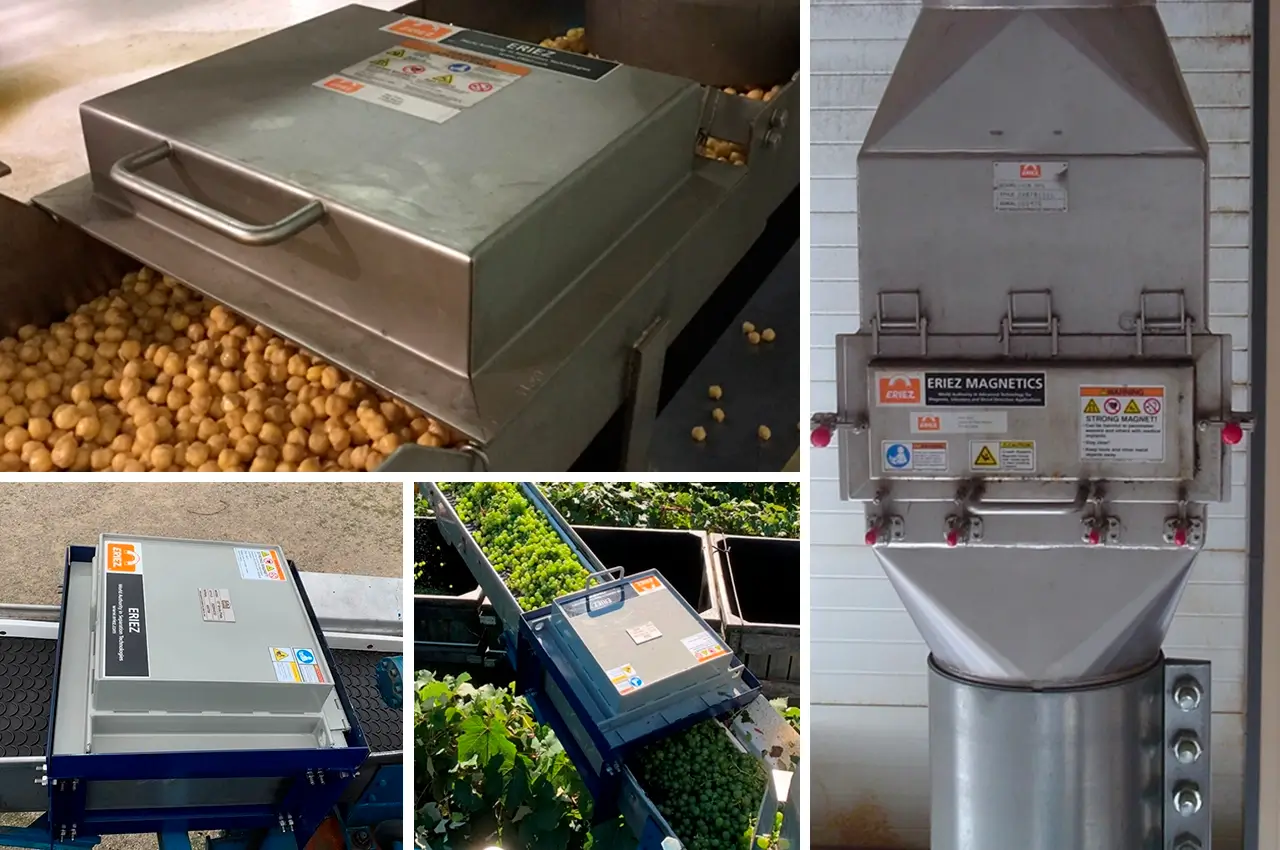
- Magnetic Grates and Tubes: located in gravity falls or hoppers, they intercept metal fines using ultra-high-intensity Rare Earth magnets.
- Magnetic Traps: for liquid or viscous products in pipelines. These are designed to capture particles in suspension without interrupting the flow or creating bacterial stagnation zones.
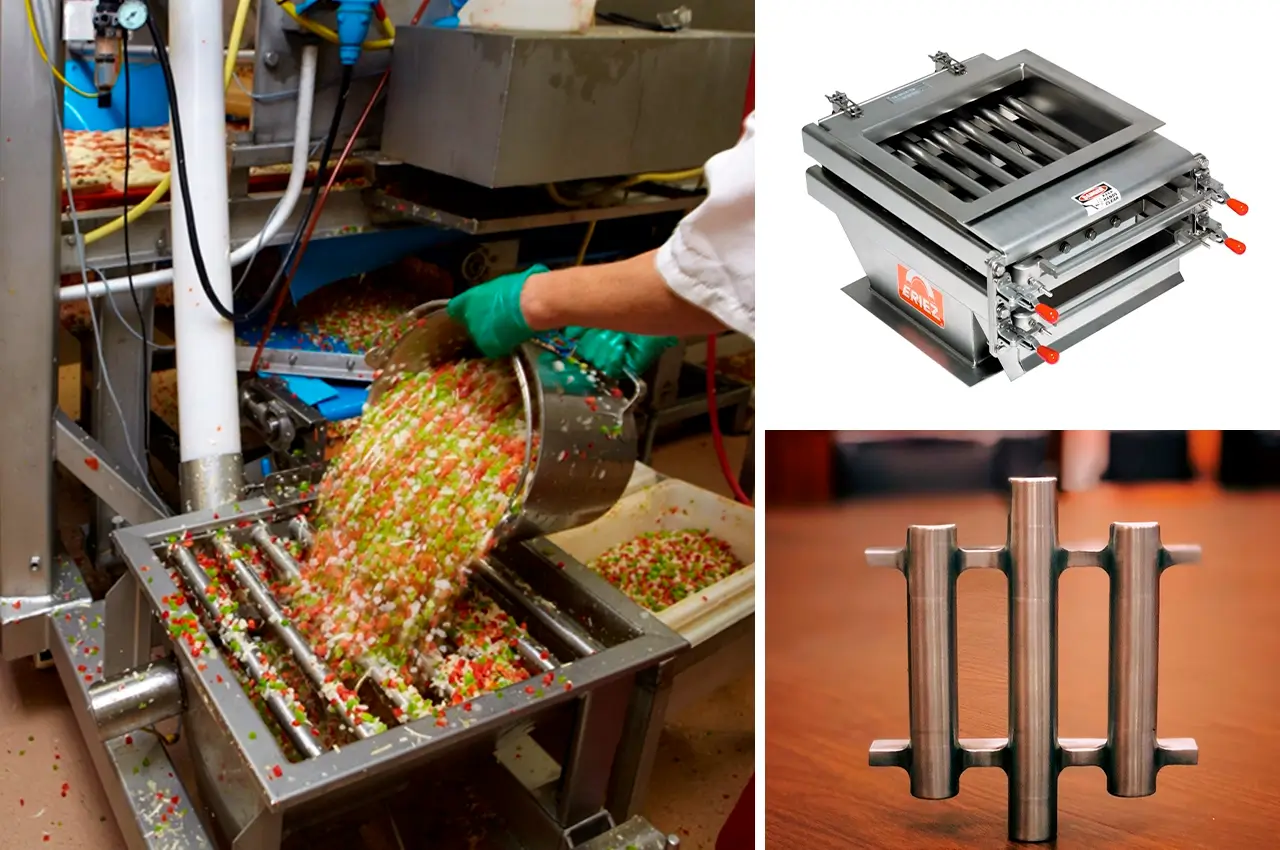
3. Packaging and Final Validation: The Last CCP Checkpoint
Before final sealing, it is imperative to detect what magnetism cannot attract on its own, such as certain grades of stainless steel or non-ferrous metals.
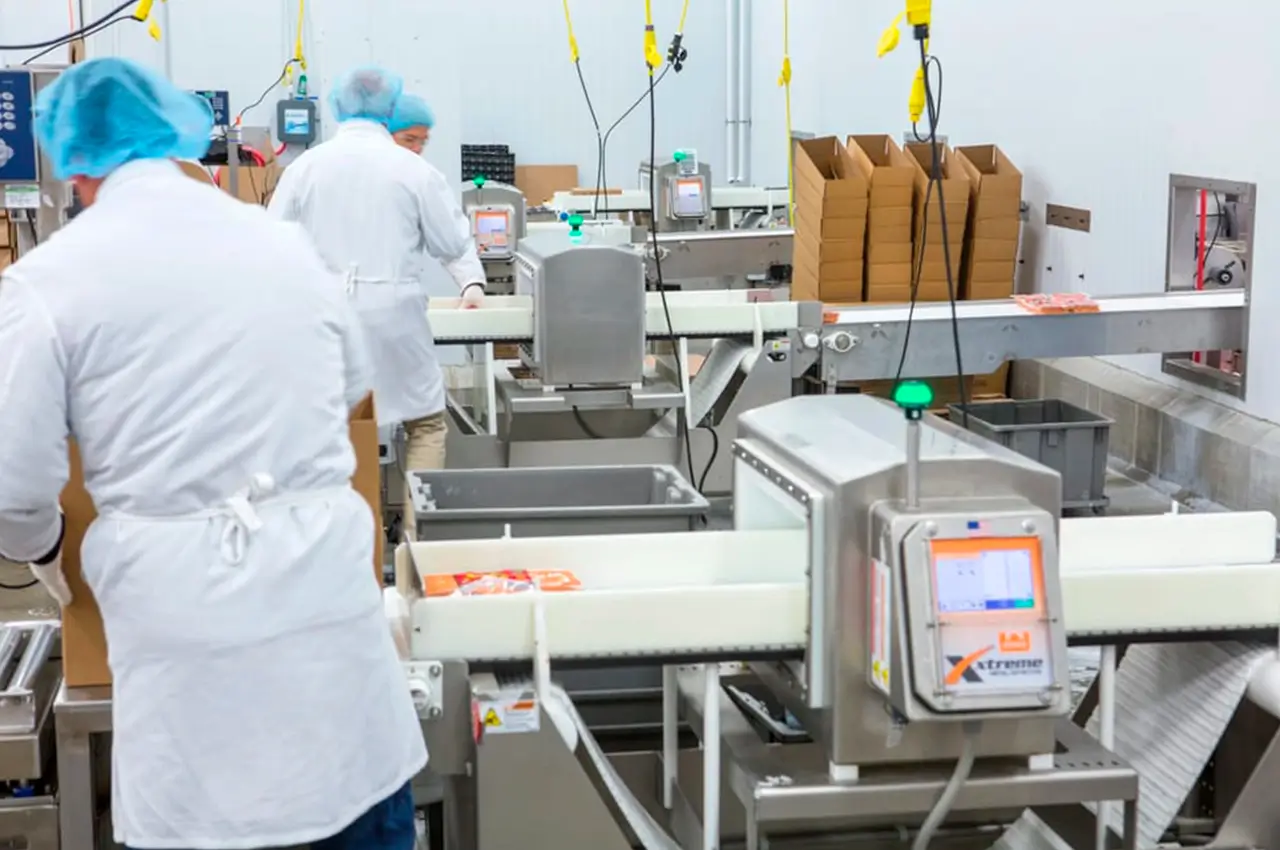
Metal Detectors: they act as the final judge of safety. Their high-frequency technology allows for the identification of any residual metallic trace, activating rejection systems that ensure only 100% safe products reach the consumer.
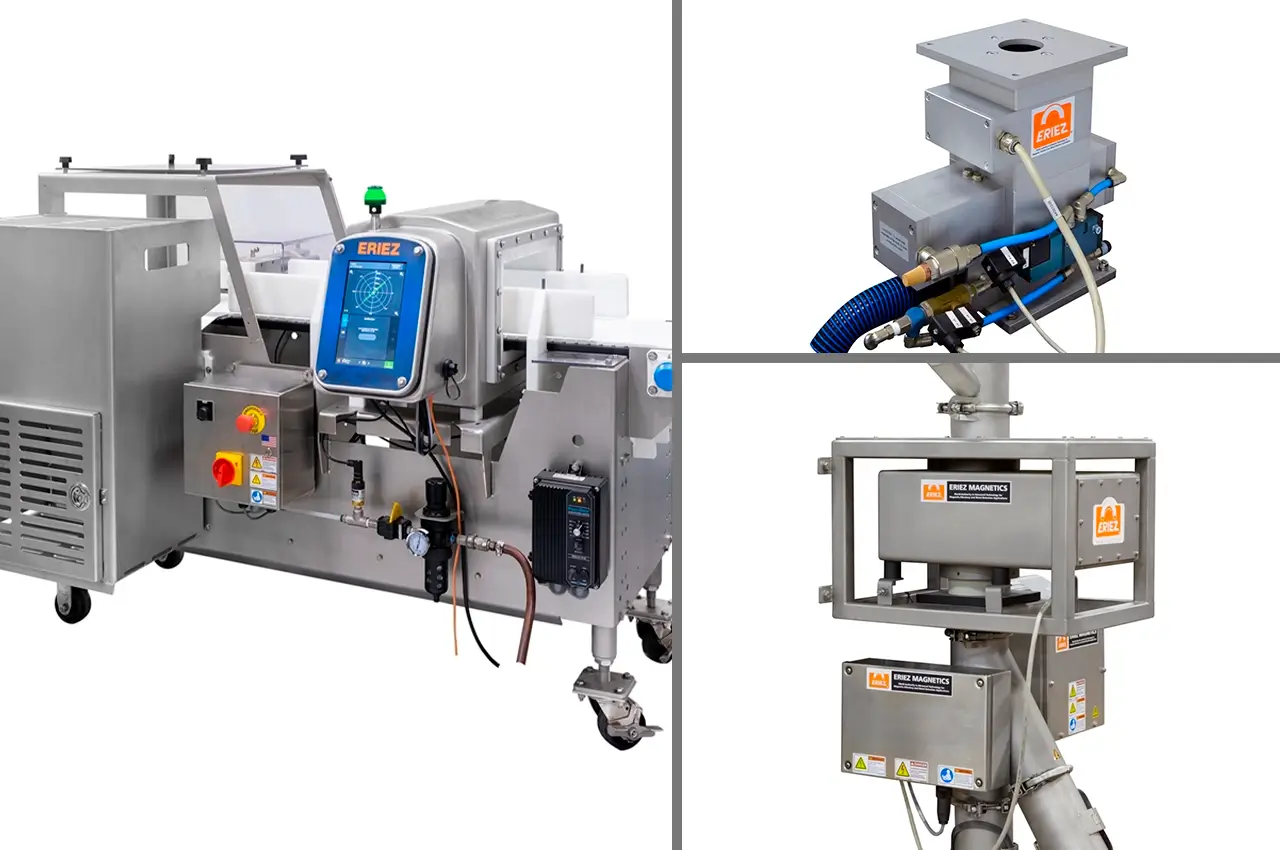
Eriez Magnetics: Technology That Sets the Standard
Eriez Magnetics technology is designed to meet the strictest food safety standards. Their equipment offers high capture efficiency and meets sanitary design criteria, facilitating cleaning and preventing the control system from becoming a source of cross-contamination.
Caproin: Expert Advice in Identifying Critical Points and Equipment Selection
Having the best technology is only half the battle; the other half is intelligence applied to the process. At Caproin, our team of expert engineers advises companies on:
Safety is an investment in trust. Let us help you guarantee it with world-leading technology and the technical support of our specialized team.